Ngorongoro Conservation Area is a destination in Tanzania, known for northern Tanzania’s highland conservation landscape centred on an extraordinary volcanic caldera. This guide covers the landscape, wildlife, access, visitor experiences and planning decisions that help you organise a realistic safari. Visitors often come for authorised crater-floor game drives and scenic highland viewpoints, but the setting itself is worth understanding before you book.
Understanding the landscape
Ngorongoro Conservation Area sits within northern Tanzania's highland conservation landscape centred on an extraordinary volcanic caldera. The character of this landscape shapes how a visitor moves, what can be seen from a vehicle or footpath, and the best pace for a day outdoors. Look beyond the name on a map: crater walls, open grass patches, soda lakes and highland villages form part of the experience. A good destination plan starts with a realistic sense of scale. It allows stops for viewpoints and avoids crossing large areas simply to tick off a list. Discuss which entrance or visitor centre your itinerary uses, because different gateways can lead to very different journeys.
Wildlife and natural habitats
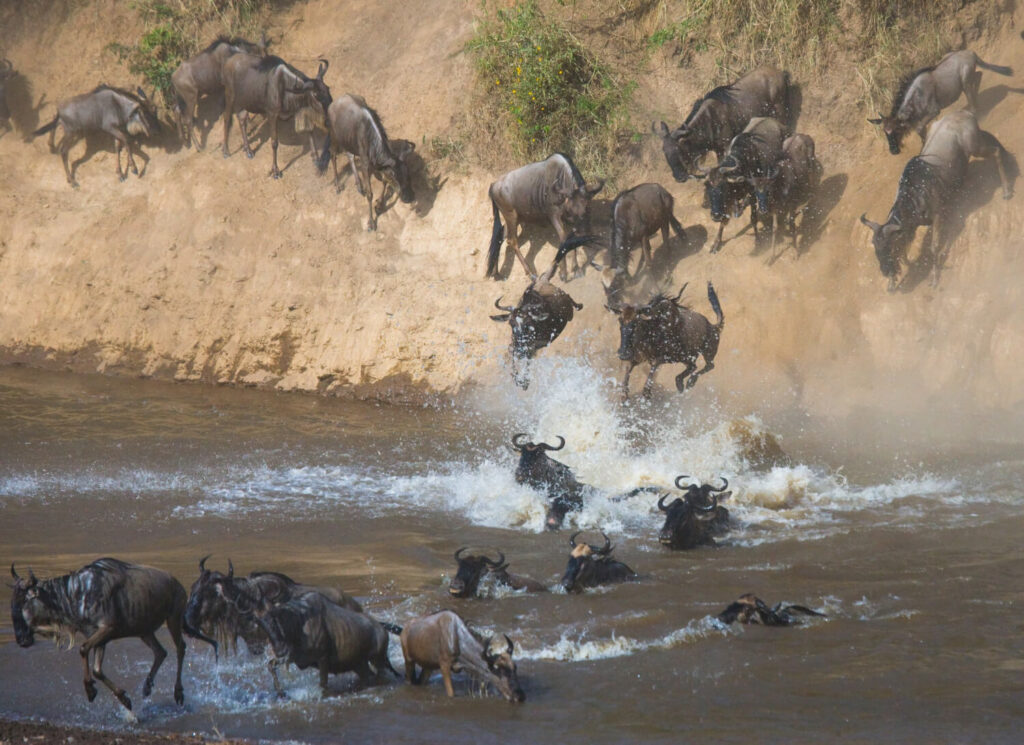
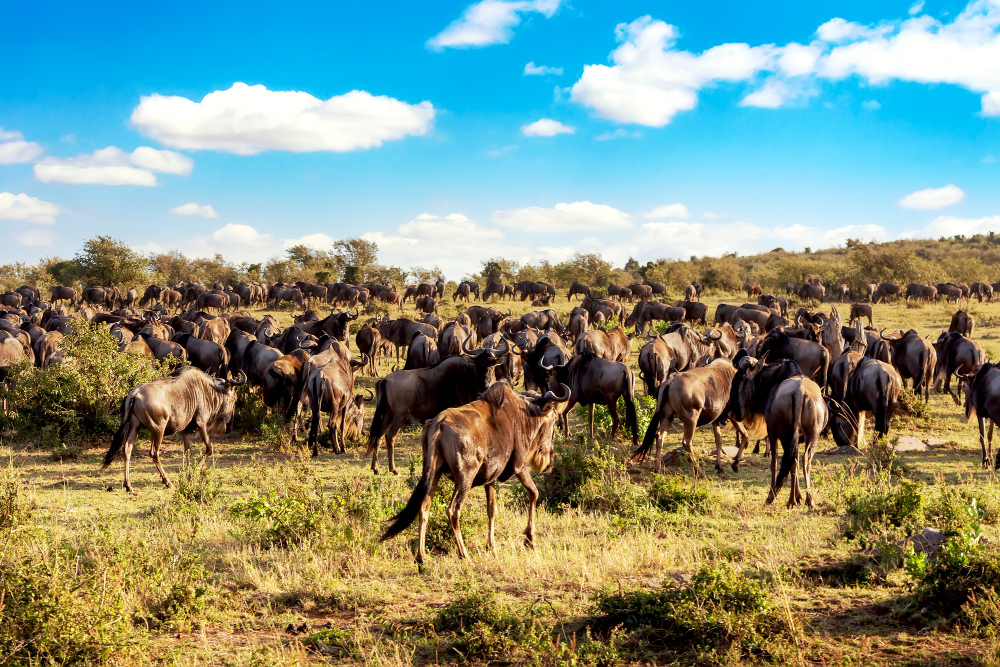
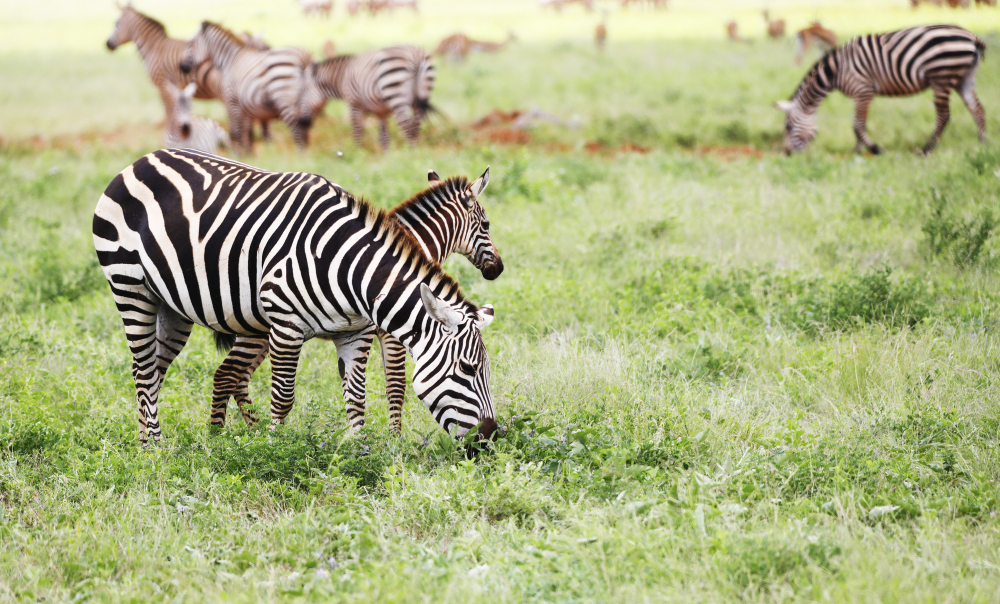
Wildlife associated with this destination includes lions, buffaloes, elephants, rhinos, antelope and numerous birds within suitable habitats. These are possibilities rather than guarantees. Animals move according to water, food, breeding behaviour and disturbance, so the sightings on one morning will not necessarily resemble those of another. A patient guide will read tracks, sounds and habitat conditions before deciding where to spend time. You can improve your own experience by watching smaller details as well: birds at feeding sites, the plants that shape the habitat, and the relationship between open and sheltered areas. Never ask guides to approach an animal more closely than local rules allow.
Getting there and choosing an arrival route
For access, the usual starting point involves highland road routes commonly linked with Arusha, Karatu and the Serengeti corridor. Treat travel estimates as planning ranges, rather than firm promises, because road surfaces, traffic, weather and stops can change a day. If you are arriving after an international flight, keep the first day relatively light. When transferring between wildlife areas, ask the operator to identify the exact gate and the location of the next lodge. A route that looks compact on a country map may be more demanding on winding or unsealed roads. Leave a buffer for meals, refuelling and short breaks so the journey remains comfortable.
Best time to visit
For seasonal planning, remember that cool highland mornings occur in several seasons; mist and rain can affect crater views. Instead of choosing dates using a single claim about the best month, balance the weather with the activities you want and the availability of accommodation. Dry-looking forecasts cannot guarantee dry trails, while a wet spell does not mean every outing will be spoiled. Photographers might favour morning or late-afternoon light, but wildlife may be most visible at a different hour. Ask about recent conditions close to departure and consider adding a flexible day if this destination is the main reason for your trip.
Experiences worth planning around
The most recognised experience here is authorised crater-floor game drives and scenic highland viewpoints. This activity should be planned according to its actual meeting place, permitted operating hours and the time required on the ground. You may find that a slower approach gives you more rewarding observations than trying to add several excursions in one day. Before paying, check what the published itinerary includes and which experiences require a separate permit or guide. Where activities depend on wild animals, focus on the quality of the guided visit rather than on a promised encounter. Build time into the schedule for unexpected delays.
Where to stay
Accommodation choices include lodges near Karatu or the crater rim, with differing daily access journeys. Location often makes more difference than the star rating: a lodge close to the right gate can reduce the distance covered before an early start. Check whether the quoted rate covers meals, packed lunches, drinking water, laundry and transfers. Ask about electricity, mobile reception and charging facilities if you will be using cameras or medical devices. Families should confirm room arrangements, and travellers with reduced mobility should ask about steps and walking distances. Choose a property that fits the next morning’s activity instead of assuming every nearby lodge is equally convenient.
Planning a realistic itinerary
One practical detail is to verify crater descent permits and timing because access is regulated separately from other stops. Start by deciding the number of nights you can genuinely spend here. An overnight stop offers a different experience from two full activity days, particularly when arriving late and leaving early. Write down the order of transfers, permits, meals and excursions before confirming a reservation. This makes it easier to spot a day that relies on unrealistic driving times. If the primary activity is fixed to a specific morning, try not to schedule a flight or long international connection immediately afterwards.
Photography and observing nature
For photographs, work with the particular light and terrain of Ngorongoro Conservation Area. In this area you may encounter crater walls, open grass patches, soda lakes and highland villages; each scene calls for different framing and a willingness to wait. Carry a protective cover for dust or rain, keep batteries charged and use a sensible camera strap on uneven ground. Never use flash where prohibited. A good safari image should record natural behaviour without disrupting an animal or blocking other visitors. Set aside a few minutes without a camera to listen and watch. Those observations often help you understand the place more fully than a hurried collection of pictures.
Health, comfort and visitor safety
A useful local precaution is to remain on permitted tracks and respect resident communities and wildlife. Pack according to both climate and terrain: drinking water, sun protection, comfortable walking shoes and a lightweight layer for changing weather are sensible starting points. Follow guidance from park staff, licensed guides and lodge teams. Travellers with significant health concerns should consult a suitable clinician before travel and explain any mobility needs to the operator. Check current entry requirements and insurance coverage independently. Remote areas may have limited medical facilities, so do not rely on last-minute access to particular medicines or equipment.
Travelling responsibly
Your visit to Ngorongoro Conservation Area should respect the rules established to protect habitats and communities. Stay on permitted tracks, avoid litter and do not feed wildlife. Ask before photographing residents or entering private property, and use authorised guides for activities that require them. A community visit works best when it is agreed in advance and provides fair payment for local services. Keep noise low near animals and other visitors. Consider carrying refillable water containers where safe refilling is available. Small, consistent decisions can reduce pressure on natural areas without making the trip complicated.
Combining this destination with another place
A sensible pairing is Serengeti National Park for wider savannah travel. Such a combination works best when there is enough travel time between both places and each has a clear purpose. For instance, a forest visit can complement open savannah, while a lake stay can provide rest after demanding walking. Rather than adding destinations simply because they are well known, decide what you hope to see and how many mornings are available. Compare travel routes and note where overnight stops may be necessary. A well-paced itinerary allows you to appreciate the character of each place rather than remembering only the drives.
Before you confirm a booking
Ask for an itinerary identifying the visitor entry point, the exact accommodation and the operator responsible for each excursion in Ngorongoro Conservation Area. Confirm any permits, local fees, cancellation deadlines and luggage conditions in writing. For guided activities, request the meeting time and ask what happens if weather alters the planned programme. It is also worth checking how much flexibility exists for travellers who prefer a shorter walk or a less demanding day. Keep copies of your travel documents where you can retrieve them offline. Conditions and rules can change, so recent local confirmation is more reliable than an old trip report.
A practical two-night example
On the first day, aim to arrive with enough daylight to settle in and understand the surrounding area of Ngorongoro Conservation Area. Use the evening to review the next morning’s meeting point, clothing and transport arrangements. On the second day, prioritise authorised crater-floor game drives and scenic highland viewpoints, allowing time for a careful briefing and unhurried observation. If your booking permits, choose a contrasting, lower-intensity activity later in the day. On the final morning, enjoy breakfast before making the onward transfer. This outline is deliberately flexible: the right order depends on visitor rules, accommodation location and available permits, and your operator should adapt it accordingly.
What to discuss with your guide
Tell your guide what brought you to Ngorongoro Conservation Area and which interests matter most. Someone interested in birds may want longer stops at water or forest edges; another traveller may prefer time to understand local geography and conservation. Ask what wildlife is commonly seen in the current season and what cannot be predicted. Explain any walking limitations before setting off, not after the group has started. If you are travelling with children, discuss safe breaks, appropriate outing lengths and age restrictions. A shared understanding of priorities helps the guide make informed choices without bending park rules.
Packing for this particular destination
Prepare for northern Tanzania's highland conservation landscape centred on an extraordinary volcanic caldera. Think about where you will be walking, whether you will spend long hours in a vehicle and how much shade is available. Lightweight layers are usually more versatile than one heavy outfit. Take a small daypack with water, sun protection, personal medication and a rain layer as appropriate. If your plans include authorised crater-floor game drives and scenic highland viewpoints, ask whether special footwear or equipment is advisable. Pack binoculars if wildlife observation matters to you, and bring a waterproof pouch for essential papers. Avoid carrying bulky items that you are unlikely to use outside the lodge.
Making the most of a short visit
If you have only one full day at Ngorongoro Conservation Area, make a deliberate choice about your central activity. Trying to fit every advertised outing into a short window often creates unnecessary pressure. First confirm how long it takes to reach the activity starting point from your lodge; then establish a realistic finishing time. Allow flexibility for wildlife sightings and rest breaks. If you arrive tired after a long transfer, an early night may be more worthwhile than a late optional excursion. You can still leave with a strong sense of place by concentrating on its most distinctive scenery, such as crater walls, open grass patches, soda lakes and highland villages.
Visitor checklist for Ngorongoro Conservation Area
What to confirm
- Check the gate or visitor reporting point.
- Confirm accommodation and road transfers.
- Ask which activities require permits or advance booking.
- Pack for local weather and ground conditions.
- Follow wildlife viewing and community guidelines.
For a complementary route, explore Serengeti National Park. If you would rather compare experiences, read the Wildlife Game Drives activity guide before building your travel plan.