
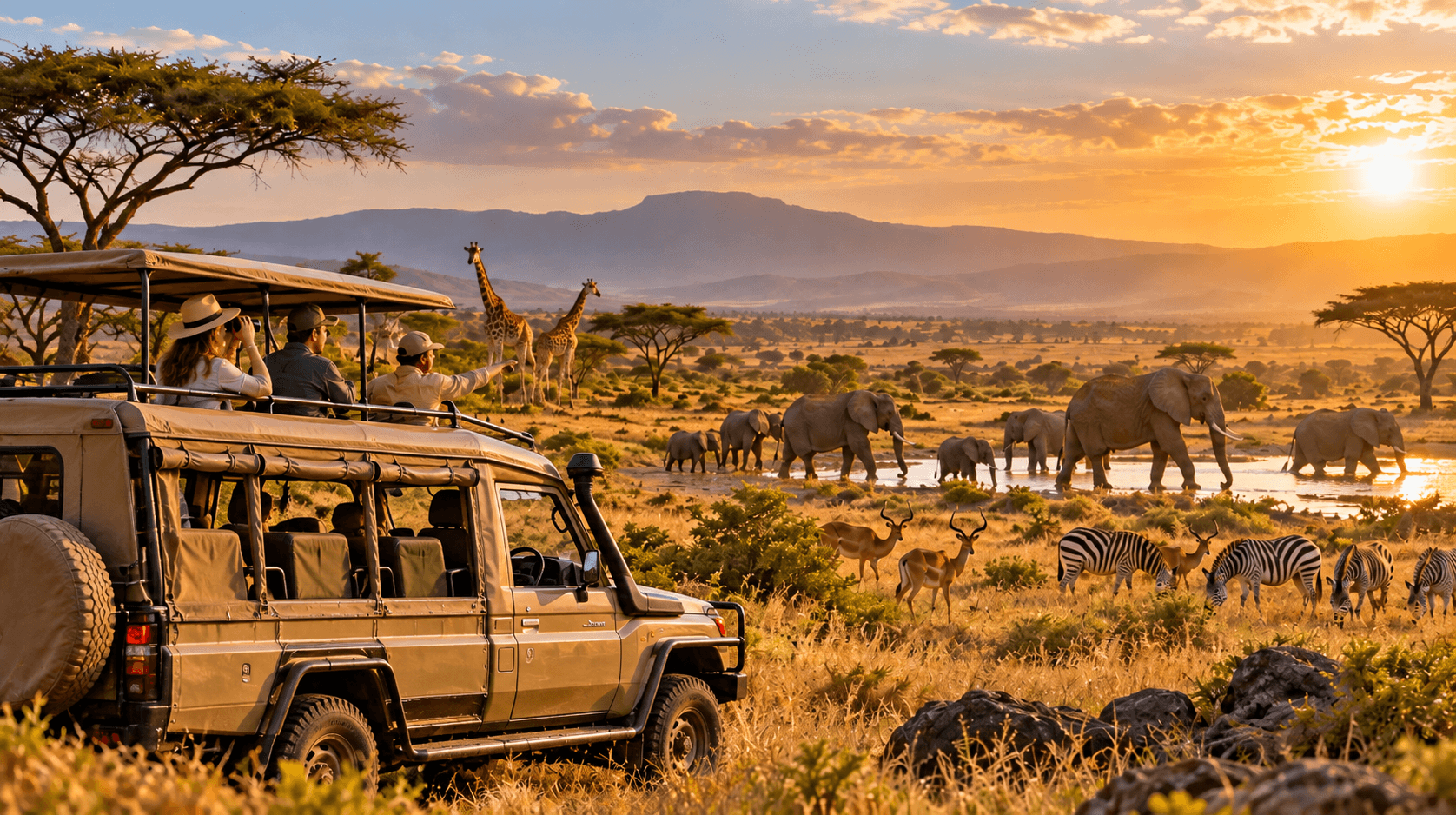
Planning best national parks for a first safari in east africa starts with reliable information about timing, routes, park rules and the kind of experience you want. This practical guide from Gorilla Trek Experiences helps you prepare for an East African holiday without assuming that animal sightings, road times or weather can be guaranteed. If you are researching East Africa national parks, use these pointers to discuss a realistic plan with your safari organiser.
Best National Parks for a First Safari in East Africa: planning essentials
East African safari itineraries work best when you choose a few clear priorities. Decide whether your main interest is gorillas, other primates, savannah wildlife, scenery or cultural visits. Confirm booked activities in writing, compare travel times between overnight stops and keep enough space in your schedule to enjoy the places you visit. Regulations and prices can change, so current official advice should take precedence over older published figures.
Match parks to your goals
Choose your first park according to the animals and activities you most want, rather than trying to see every famous place in one week. Open savannah parks support vehicle-based viewing, while forest parks often centre on guided primate experiences.
Before paying a deposit, ask for the exact date, meeting point and services included. Small differences in timing can have a significant effect on the comfort of your day.
Serengeti for open plains
Tanzania’s Serengeti is known for expansive landscapes and major wildlife populations. Viewing conditions vary by season and region. A good itinerary selects accommodation near the area you expect to explore rather than demanding an exhausting daily drive across the park.
Conditions can vary between neighbouring parks and even between mornings in the same location. Keep useful clothing and travel documents accessible rather than packed deep in a suitcase.
Useful questions to ask before you travel
- Which start point applies to my booking?
- What time must I report?
- Which costs are included?
Queen Elizabeth for varied habitats
Uganda’s Queen Elizabeth National Park offers savannah, wetlands and water-based experiences in one region. Game drives and boat safaris can provide different perspectives. It can be a useful stop between western Uganda’s forest areas when the route is planned carefully.
Discuss your priorities with your guide. Explain whether you prefer photography, quieter viewing, easier walking or extra time for breaks, while recognising that wildlife and park rules set the final limits.
Maasai Mara for concentrated wildlife viewing
Kenya’s Maasai Mara is popular for game drives and seasonal migration interest. A memorable safari does not require witnessing a river crossing. Ask your guide to interpret tracks, behaviour and habitats rather than rushing from one radio report to the next.
Written confirmations reduce misunderstandings. Check names, dates and the locations of accommodation and activities carefully, especially when your itinerary crosses borders.
Useful questions to ask before you travel
- How much travel time should I allow?
- What happens during heavy rain?
- Is a guide or porter available?
Akagera for a Rwanda wildlife extension
Akagera offers a different landscape from Rwanda’s mountain forests. It can be paired with other parts of a Rwanda holiday if your schedule allows. Check road time, accommodation availability and the current range of authorised park activities.
Before paying a deposit, ask for the exact date, meeting point and services included. Small differences in timing can have a significant effect on the comfort of your day.
Bwindi for a guided forest adventure
Bwindi is a strong choice when your priority is gorilla trekking rather than standard savannah game drives. The experience is permit-controlled and physically variable. A separate wildlife park can provide a useful contrast if you have extra days.
Conditions can vary between neighbouring parks and even between mornings in the same location. Keep useful clothing and travel documents accessible rather than packed deep in a suitcase.
Useful questions to ask before you travel
- Are permits already confirmed?
- Which rules apply to visitors?
- What should I carry on the day?
How long to spend in each place
A single night may be insufficient when arrivals and departures consume much of the day. Consider at least a couple of game-drive opportunities in major savannah parks and additional margin around permit-based activities. Travel time matters as much as kilometres.
Discuss your priorities with your guide. Explain whether you prefer photography, quieter viewing, easier walking or extra time for breaks, while recognising that wildlife and park rules set the final limits.
Build your first route sensibly
Choose two or three complementary areas instead of attempting a full four-country circuit on a short leave period. Prioritise safety, restful transfers and an experienced guide. A balanced itinerary improves your chances of appreciating each place.
Written confirmations reduce misunderstandings. Check names, dates and the locations of accommodation and activities carefully, especially when your itinerary crosses borders.
Practical travel checklist
- Confirm the exact destinations, dates and activities included in your itinerary.
- Check current permit conditions, identification requirements and booking policies.
- Allow a reasonable margin for road journeys, weather and border procedures.
- Carry suitable footwear, layers and protection for cameras and documents.
- Choose licensed guides and respect wildlife viewing instructions.
Explore related safari experiences
For more planning information, explore Serengeti National Park and read about Queen Elizabeth National Park. These pages can help you narrow your interests before asking for a personalised itinerary.
Final planning advice
Good safari planning is specific. Share your available travel dates, number of travellers, preferred accommodation level and any mobility or dietary needs. Ask for a clear itinerary showing the overnight location and main activity each day. The best trip is one that gives you enough time to appreciate the wildlife and landscapes without creating avoidable travel pressure.