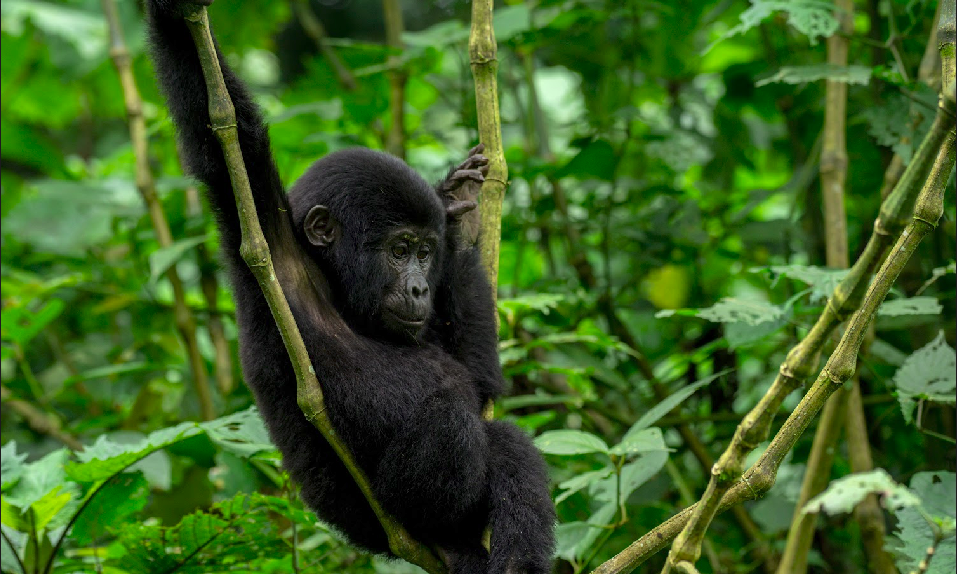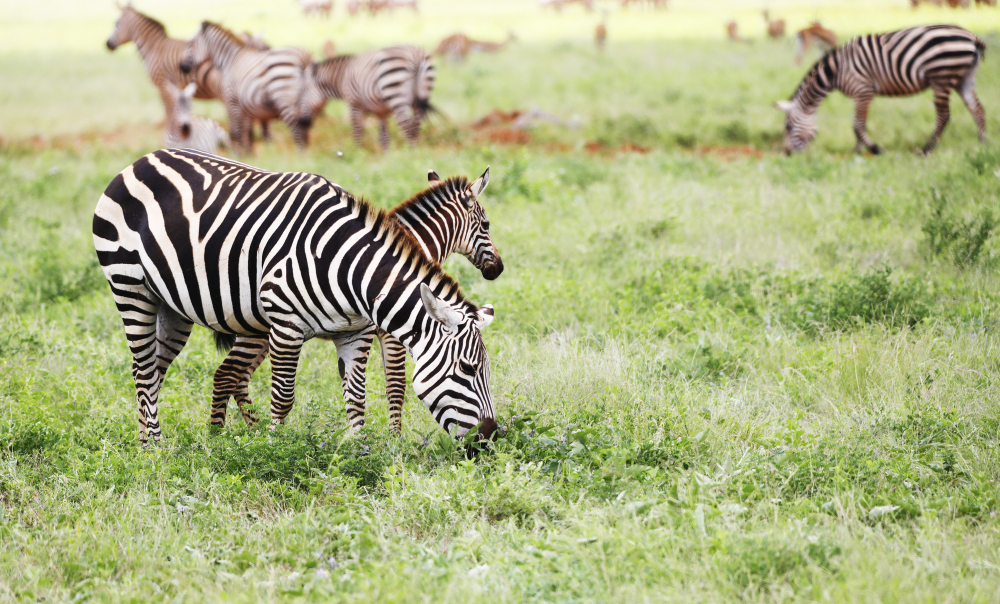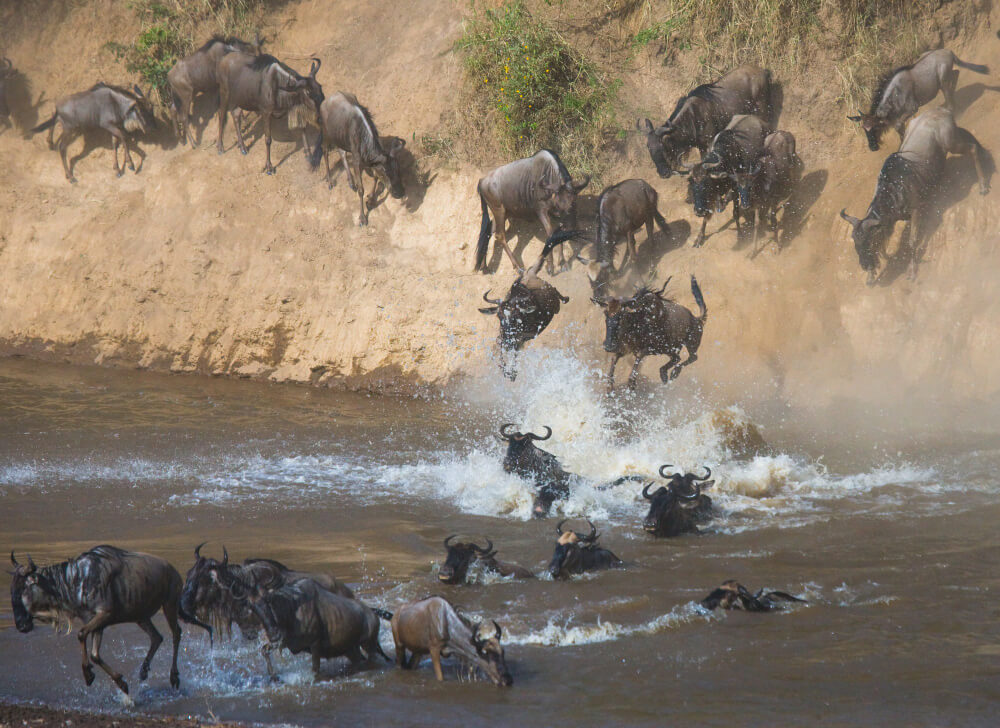
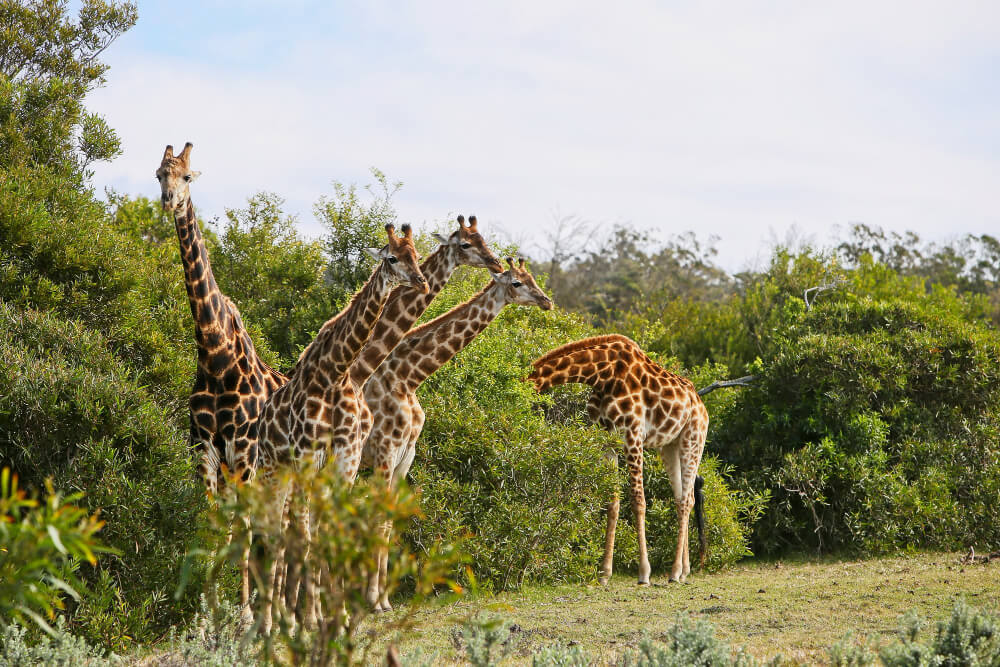
Planning how to plan a family safari in east africa starts with reliable information about timing, routes, park rules and the kind of experience you want. This practical guide from Gorilla Trek Experiences helps you prepare for an East African holiday without assuming that animal sightings, road times or weather can be guaranteed. If you are researching East Africa family safari, use these pointers to discuss a realistic plan with your safari organiser.
How to Plan a Family Safari in East Africa: planning essentials
East African safari itineraries work best when you choose a few clear priorities. Decide whether your main interest is gorillas, other primates, savannah wildlife, scenery or cultural visits. Confirm booked activities in writing, compare travel times between overnight stops and keep enough space in your schedule to enjoy the places you visit. Regulations and prices can change, so current official advice should take precedence over older published figures.
Start with ages and interests
A successful family trip should reflect children’s ages, attention spans and interests. Some activities have minimum age requirements, particularly primate tracking. Verify the current rules before promising an experience to younger travellers. Build the programme around activities everyone can genuinely join.
Before paying a deposit, ask for the exact date, meeting point and services included. Small differences in timing can have a significant effect on the comfort of your day.
Limit long travel days
Road journeys that adults tolerate can feel exhausting for children. Prefer fewer accommodation changes and build in breaks for meals, toilets and movement. One well-planned wildlife area may be more enjoyable than racing between several parks.
Conditions can vary between neighbouring parks and even between mornings in the same location. Keep useful clothing and travel documents accessible rather than packed deep in a suitcase.
Useful questions to ask before you travel
- Which start point applies to my booking?
- What time must I report?
- Which costs are included?
Select family-suitable lodges
Ask about family rooms, interconnecting rooms, meal flexibility, pools, fencing and supervision rules. Accommodation in wildlife areas may have strict instructions about walking outside after dark. Ensure adults understand the safety guidance before arrival.
Discuss your priorities with your guide. Explain whether you prefer photography, quieter viewing, easier walking or extra time for breaks, while recognising that wildlife and park rules set the final limits.
Plan game drives thoughtfully
Morning and late-afternoon drives can be productive, but younger visitors may prefer shorter sessions. Pack snacks, water, sun protection and quiet activities for slower moments. Teach children to keep voices low around animals and never feed wildlife.
Written confirmations reduce misunderstandings. Check names, dates and the locations of accommodation and activities carefully, especially when your itinerary crosses borders.
Useful questions to ask before you travel
- How much travel time should I allow?
- What happens during heavy rain?
- Is a guide or porter available?
Check health requirements early
Consult a travel-health professional with enough time to consider vaccinations, malaria precautions and routine medicines. Requirements vary by itinerary and individual. Keep necessary prescriptions accessible and carry basic medical information for every traveller.
Before paying a deposit, ask for the exact date, meeting point and services included. Small differences in timing can have a significant effect on the comfort of your day.
Choose realistic activities
Boat safaris, easy nature walks, cultural visits and relaxed lodge time can balance long drives. Ask whether walks are age-appropriate and supervised. Never assume a wildlife encounter on foot is suitable for children just because it appears in a general brochure.
Conditions can vary between neighbouring parks and even between mornings in the same location. Keep useful clothing and travel documents accessible rather than packed deep in a suitcase.
Useful questions to ask before you travel
- Are permits already confirmed?
- Which rules apply to visitors?
- What should I carry on the day?
Prepare for changing weather
Heat, rain and cool mornings can all occur within the same trip. Pack layers, hats and practical shoes. Bring spare clothing in the vehicle so children can change after muddy excursions or sudden showers.
Discuss your priorities with your guide. Explain whether you prefer photography, quieter viewing, easier walking or extra time for breaks, while recognising that wildlife and park rules set the final limits.
Design a flexible daily rhythm
Keep a mix of adventure and downtime. A rest morning after a long transfer can improve the following day. Discuss dietary preferences, bedtime routines and private vehicle options with your operator before booking.
Written confirmations reduce misunderstandings. Check names, dates and the locations of accommodation and activities carefully, especially when your itinerary crosses borders.
Practical travel checklist
- Confirm the exact destinations, dates and activities included in your itinerary.
- Check current permit conditions, identification requirements and booking policies.
- Allow a reasonable margin for road journeys, weather and border procedures.
- Carry suitable footwear, layers and protection for cameras and documents.
- Choose licensed guides and respect wildlife viewing instructions.
Explore related safari experiences
For more planning information, explore Queen Elizabeth National Park and read about wildlife game drives. These pages can help you narrow your interests before asking for a personalised itinerary.
Final planning advice
Good safari planning is specific. Share your available travel dates, number of travellers, preferred accommodation level and any mobility or dietary needs. Ask for a clear itinerary showing the overnight location and main activity each day. The best trip is one that gives you enough time to appreciate the wildlife and landscapes without creating avoidable travel pressure.