Planning the great migration safari: kenya or tanzania starts with reliable information about timing, routes, park rules and the kind of experience you want. This practical guide from Gorilla Trek Experiences helps you prepare for an East African holiday without assuming that animal sightings, road times or weather can be guaranteed. If you are researching Kenya Tanzania migration safari, use these pointers to discuss a realistic plan with your safari organiser.
The Great Migration Safari: Kenya or Tanzania: planning essentials
East African safari itineraries work best when you choose a few clear priorities. Decide whether your main interest is gorillas, other primates, savannah wildlife, scenery or cultural visits. Confirm booked activities in writing, compare travel times between overnight stops and keep enough space in your schedule to enjoy the places you visit. Regulations and prices can change, so current official advice should take precedence over older published figures.
Understanding a moving wildlife event
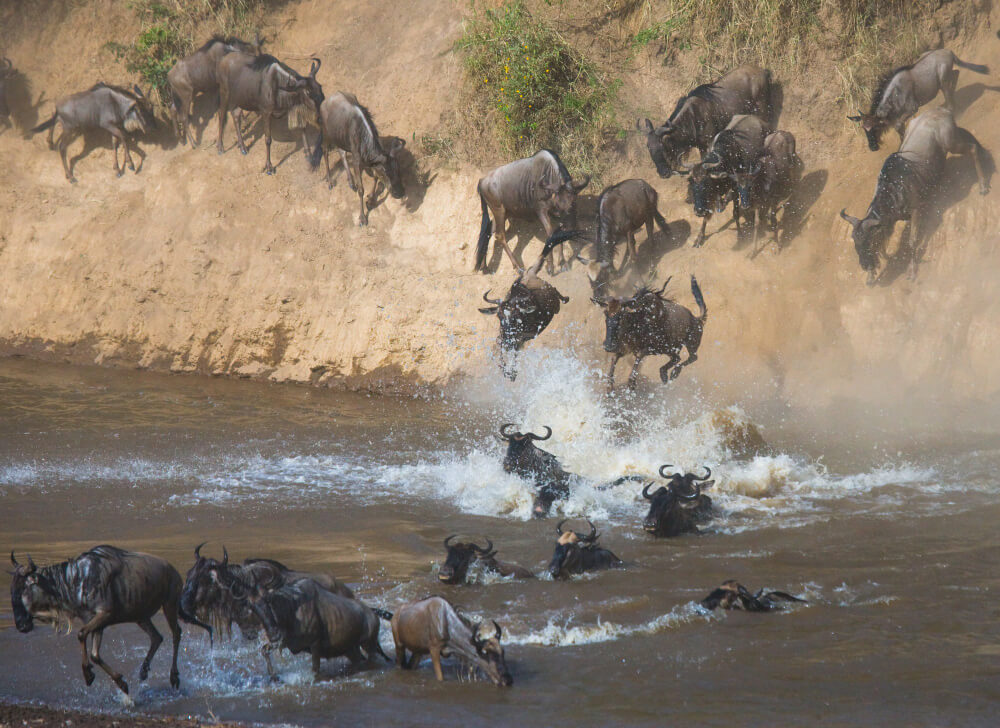
The wildebeest migration is a seasonal movement across an extensive ecosystem, influenced by grazing and rainfall. It cannot be scheduled like a concert. Many photographs focus on river crossings, but those are only one part of a much larger annual cycle.
Before paying a deposit, ask for the exact date, meeting point and services included. Small differences in timing can have a significant effect on the comfort of your day.
What Tanzania offers
The Serengeti covers a vast landscape with different wildlife concentrations through the year. Depending on season and weather, a Tanzania itinerary may focus on southern plains, central areas or the north. The best lodge location depends on the month and the specific experience you seek.
Conditions can vary between neighbouring parks and even between mornings in the same location. Keep useful clothing and travel documents accessible rather than packed deep in a suitcase.
Useful questions to ask before you travel
- Which start point applies to my booking?
- What time must I report?
- Which costs are included?
What Kenya offers
The Maasai Mara is well known for concentrated wildlife viewing and its connection to the northern movement of herds. However, a safari here is worthwhile for many animals beyond migration crossings. Your guide should focus on safe viewing and avoid crowding wildlife.
Discuss your priorities with your guide. Explain whether you prefer photography, quieter viewing, easier walking or extra time for breaks, while recognising that wildlife and park rules set the final limits.
Choosing travel dates
Migration patterns shift with rain and grazing conditions, so advertised exact dates can be misleading. Compare the expected season with several years of observations, then plan for uncertainty. A strong safari should still offer rewarding wildlife watching if a crossing does not occur.
Written confirmations reduce misunderstandings. Check names, dates and the locations of accommodation and activities carefully, especially when your itinerary crosses borders.
Useful questions to ask before you travel
- How much travel time should I allow?
- What happens during heavy rain?
- Is a guide or porter available?
Travel time and park logistics
A migration safari often involves long drives, early game drives or flights between distant regions. Compare road itineraries with fly-in alternatives when available. Confirm luggage limits for smaller aircraft and consider how many hotel changes you are comfortable with.
Before paying a deposit, ask for the exact date, meeting point and services included. Small differences in timing can have a significant effect on the comfort of your day.
Selecting the right accommodation
Location is often more valuable than an impressive room when your aim is to spend time near current wildlife areas. Ask operators why they selected a camp for your dates. A beautiful lodge in the wrong region may add hours of daily transfer time.
Conditions can vary between neighbouring parks and even between mornings in the same location. Keep useful clothing and travel documents accessible rather than packed deep in a suitcase.
Useful questions to ask before you travel
- Are permits already confirmed?
- Which rules apply to visitors?
- What should I carry on the day?
Responsible safari behaviour
Keep to park rules and allow animals space. Guides should not block migration routes or push vehicles dangerously close to a riverbank. Sightings are unpredictable and wildlife welfare should take priority over photographs.
Discuss your priorities with your guide. Explain whether you prefer photography, quieter viewing, easier walking or extra time for breaks, while recognising that wildlife and park rules set the final limits.
Making the country decision
Choose Tanzania for access to different Serengeti regions across the annual movement, or Kenya when the Mara fits your travel window and preferred route. Multi-country trips are possible but cost more time and logistics. Focus on a realistic wildlife experience rather than a guaranteed dramatic moment.
Written confirmations reduce misunderstandings. Check names, dates and the locations of accommodation and activities carefully, especially when your itinerary crosses borders.
Practical travel checklist
- Confirm the exact destinations, dates and activities included in your itinerary.
- Check current permit conditions, identification requirements and booking policies.
- Allow a reasonable margin for road journeys, weather and border procedures.
- Carry suitable footwear, layers and protection for cameras and documents.
- Choose licensed guides and respect wildlife viewing instructions.
Explore related safari experiences
For more planning information, explore Serengeti National Park and read about Maasai Mara National Reserve. These pages can help you narrow your interests before asking for a personalised itinerary.
Final planning advice
Good safari planning is specific. Share your available travel dates, number of travellers, preferred accommodation level and any mobility or dietary needs. Ask for a clear itinerary showing the overnight location and main activity each day. The best trip is one that gives you enough time to appreciate the wildlife and landscapes without creating avoidable travel pressure.