Planning responsible gorilla trekking: rules every visitor should know starts with reliable information about timing, routes, park rules and the kind of experience you want. This practical guide from Gorilla Trek Experiences helps you prepare for an East African holiday without assuming that animal sightings, road times or weather can be guaranteed. If you are researching responsible gorilla trekking rules, use these pointers to discuss a realistic plan with your safari organiser.
Responsible Gorilla Trekking: Rules Every Visitor Should Know: planning essentials
East African safari itineraries work best when you choose a few clear priorities. Decide whether your main interest is gorillas, other primates, savannah wildlife, scenery or cultural visits. Confirm booked activities in writing, compare travel times between overnight stops and keep enough space in your schedule to enjoy the places you visit. Regulations and prices can change, so current official advice should take precedence over older published figures.
Follow the ranger’s lead
Your ranger manages the group’s movement and communicates instructions that protect visitors and wildlife. Stay with the group and never push ahead for a photograph. Conditions change during an encounter, so instructions given on the day take priority over tips found online.
Before paying a deposit, ask for the exact date, meeting point and services included. Small differences in timing can have a significant effect on the comfort of your day.
Keep a respectful distance
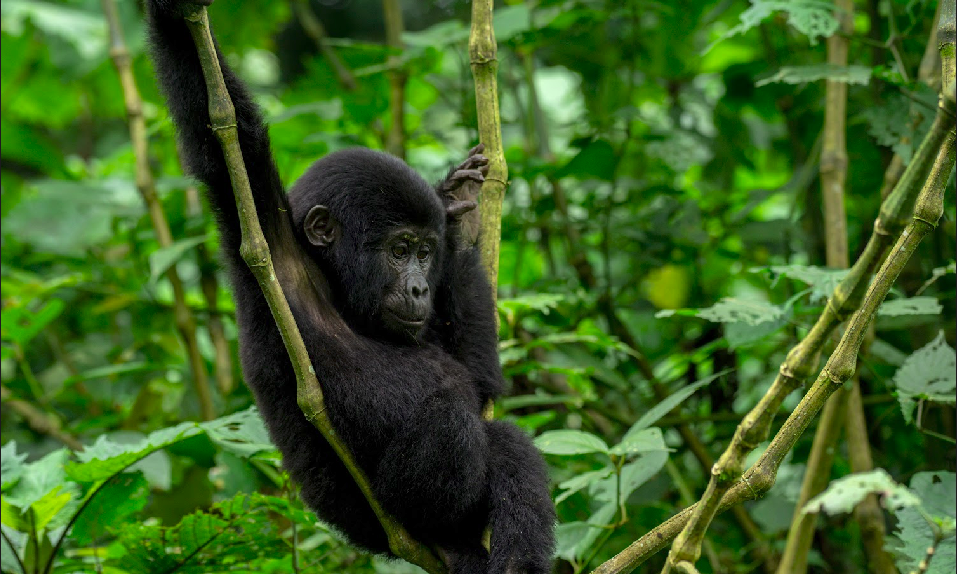
Park rules specify viewing distances to reduce stress and disease risks. Gorillas can approach independently, so follow the guide’s response rather than moving abruptly. Do not attempt to touch an animal or encourage it to come closer.
Conditions can vary between neighbouring parks and even between mornings in the same location. Keep useful clothing and travel documents accessible rather than packed deep in a suitcase.
Useful questions to ask before you travel
- Which start point applies to my booking?
- What time must I report?
- Which costs are included?
Never visit while unwell
Respiratory illnesses can pose serious risks to wild great apes. Tell the operator if you develop symptoms before trekking, and follow park decisions about participation. Health screening and mask requirements can vary by destination and policy, so confirm current guidance.
Discuss your priorities with your guide. Explain whether you prefer photography, quieter viewing, easier walking or extra time for breaks, while recognising that wildlife and park rules set the final limits.
Control your camera use
Turn off flash and silence noisy devices. Do not block another visitor or move away from the ranger group to find a better angle. Wildlife photographs are a privilege and should never require compromising the animals’ space.
Written confirmations reduce misunderstandings. Check names, dates and the locations of accommodation and activities carefully, especially when your itinerary crosses borders.
Useful questions to ask before you travel
- How much travel time should I allow?
- What happens during heavy rain?
- Is a guide or porter available?
Leave food out of the encounter
Pack food securely and eat only in areas and at times permitted by the guides. Do not offer food to wildlife or leave scraps on the trail. Carry out all litter, including tissues and packaging.
Before paying a deposit, ask for the exact date, meeting point and services included. Small differences in timing can have a significant effect on the comfort of your day.
Dress and move appropriately
Neutral clothing, sturdy footwear and long sleeves are sensible for vegetation and changing weather. Walk carefully, keep voices controlled and allow the group to stop when rangers request it. Avoid attempting to imitate gorilla calls or behaviours.
Conditions can vary between neighbouring parks and even between mornings in the same location. Keep useful clothing and travel documents accessible rather than packed deep in a suitcase.
Useful questions to ask before you travel
- Are permits already confirmed?
- Which rules apply to visitors?
- What should I carry on the day?
Respect local communities
Use legitimate guides and porter services, pay agreed rates and seek permission before photographing people. Community spending can support livelihoods around protected areas. Respect property and cultural practices on the route to your lodge or trailhead.
Discuss your priorities with your guide. Explain whether you prefer photography, quieter viewing, easier walking or extra time for breaks, while recognising that wildlife and park rules set the final limits.
Prepare for uncertainty
The walk may be strenuous and sightings vary with animal movements. Accept that guides cannot guarantee a particular pose or photograph. The most respectful visit leaves the gorilla family free to continue its normal behaviour.
Written confirmations reduce misunderstandings. Check names, dates and the locations of accommodation and activities carefully, especially when your itinerary crosses borders.
Practical travel checklist
- Confirm the exact destinations, dates and activities included in your itinerary.
- Check current permit conditions, identification requirements and booking policies.
- Allow a reasonable margin for road journeys, weather and border procedures.
- Carry suitable footwear, layers and protection for cameras and documents.
- Choose licensed guides and respect wildlife viewing instructions.
Explore related safari experiences
For more planning information, explore gorilla trekking and read about Volcanoes National Park. These pages can help you narrow your interests before asking for a personalised itinerary.
Final planning advice
Good safari planning is specific. Share your available travel dates, number of travellers, preferred accommodation level and any mobility or dietary needs. Ask for a clear itinerary showing the overnight location and main activity each day. The best trip is one that gives you enough time to appreciate the wildlife and landscapes without creating avoidable travel pressure.