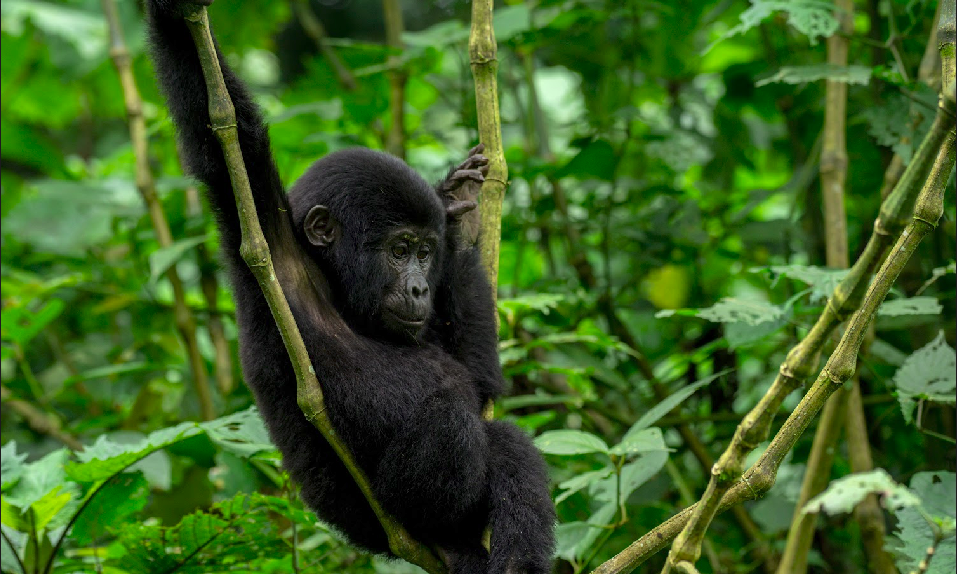
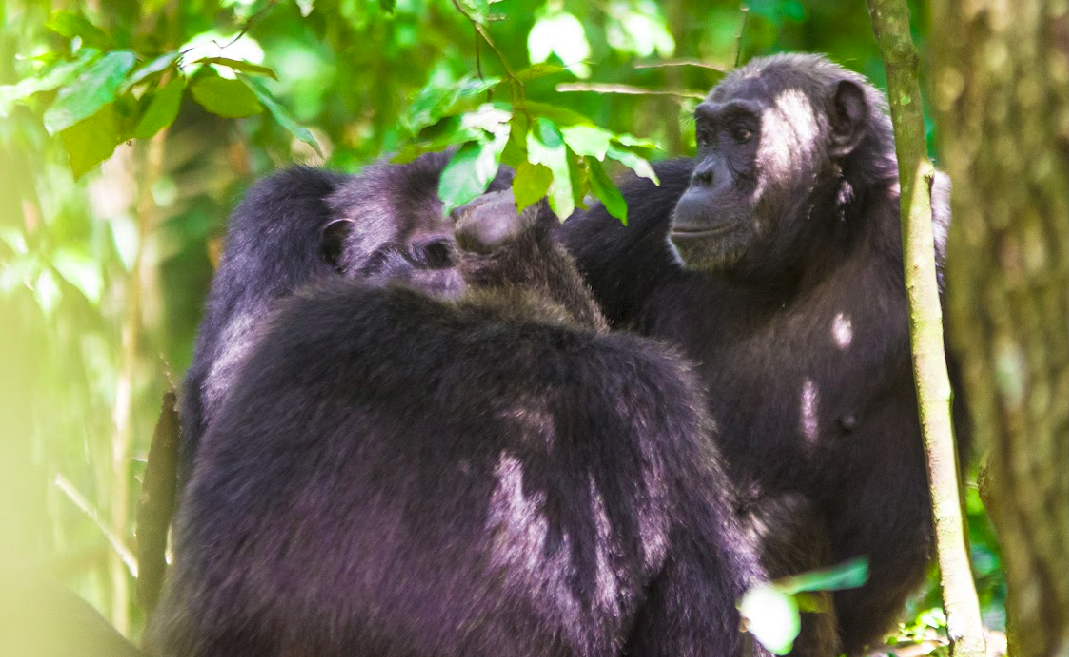
Planning best time to visit uganda for gorilla trekking starts with reliable information about timing, routes, park rules and the kind of experience you want. This practical guide from Gorilla Trek Experiences helps you prepare for an East African holiday without assuming that animal sightings, road times or weather can be guaranteed. If you are researching best Uganda gorilla trekking, use these pointers to discuss a realistic plan with your safari organiser.
Best Time to Visit Uganda for Gorilla Trekking: planning essentials
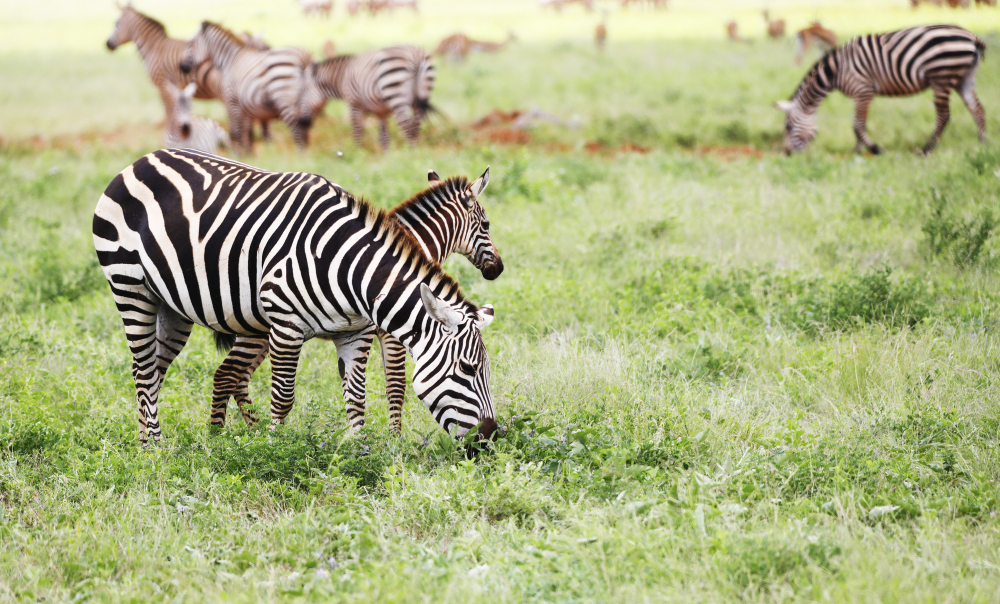
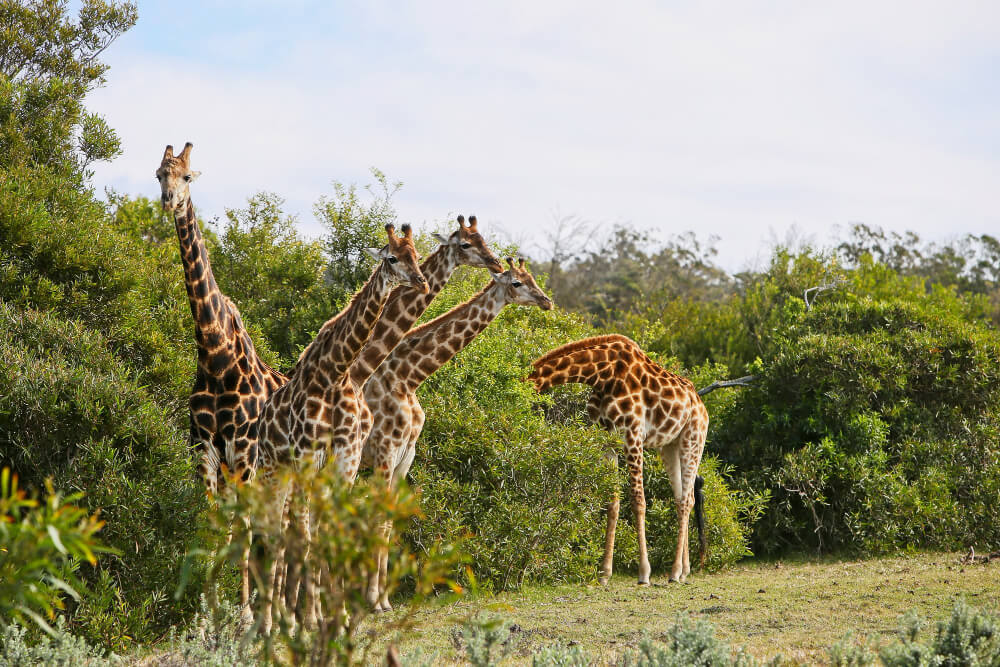
East African safari itineraries work best when you choose a few clear priorities. Decide whether your main interest is gorillas, other primates, savannah wildlife, scenery or cultural visits. Confirm booked activities in writing, compare travel times between overnight stops and keep enough space in your schedule to enjoy the places you visit. Regulations and prices can change, so current official advice should take precedence over older published figures.
Understanding Uganda’s trekking seasons
Uganda has two relatively drier periods, commonly around June to September and December to February. Conditions vary by year and by sector of Bwindi, so avoid treating any month as a guarantee of sunshine. Rain is possible in mountain forest in every season. A more useful decision starts with the kind of trail conditions you can comfortably manage and how much flexibility you have around travel dates.
Before paying a deposit, ask for the exact date, meeting point and services included. Small differences in timing can have a significant effect on the comfort of your day.
What changes during wetter months
March to May and October to November commonly bring more rainfall. Forest paths can become slick, and the approach to the gorilla family may demand extra patience. Some travellers appreciate greener hillsides and a quieter atmosphere. Your experience still depends on the specific forest trail, current weather and the location of the gorillas on your trekking day.
Conditions can vary between neighbouring parks and even between mornings in the same location. Keep useful clothing and travel documents accessible rather than packed deep in a suitcase.
Useful questions to ask before you travel
- Which start point applies to my booking?
- What time must I report?
- Which costs are included?
Choosing between Bwindi sectors
Buhoma, Ruhija, Rushaga and Nkuringo are distinct starting areas. A lodge located near one sector is not automatically convenient for a permit issued in another. Confirm your allocated trekking sector before paying a non-refundable accommodation balance. The road between sectors can take several hours, particularly after heavy rain.
Discuss your priorities with your guide. Explain whether you prefer photography, quieter viewing, easier walking or extra time for breaks, while recognising that wildlife and park rules set the final limits.
Permits and booking order
Secure your gorilla permit before locking in flights or a complicated road itinerary. Permit allocations have daily limits and availability changes by date. A local operator can confirm the current price, the authority’s terms and the check-in location. Treat older articles quoting fixed prices as background until you have verified the rate that applies to your trip.
Written confirmations reduce misunderstandings. Check names, dates and the locations of accommodation and activities carefully, especially when your itinerary crosses borders.
Useful questions to ask before you travel
- How much travel time should I allow?
- What happens during heavy rain?
- Is a guide or porter available?
Packing for muddy forest trails
Wear broken-in hiking footwear with reliable grip, long trousers and a lightweight waterproof jacket. Bring gardening-style gloves if you want extra protection when steadying yourself on vegetation. Keep camera equipment inside a dry bag. A porter can be a practical choice on steep ground, even for people who regularly walk at home.
Before paying a deposit, ask for the exact date, meeting point and services included. Small differences in timing can have a significant effect on the comfort of your day.
Planning a comfortable safari route
Allow time for the drive to Bwindi rather than assuming every transfer will take the shortest map estimate. Travellers arriving through Entebbe may combine the forest with other parks, while those arriving through Kigali may choose a cross-border route. Immigration documents, border operating conditions and transport arrangements must be confirmed for your passport.
Conditions can vary between neighbouring parks and even between mornings in the same location. Keep useful clothing and travel documents accessible rather than packed deep in a suitcase.
Useful questions to ask before you travel
- Are permits already confirmed?
- Which rules apply to visitors?
- What should I carry on the day?
What your trekking day involves
The morning normally begins with registration and a ranger briefing. The walk to a habituated gorilla family varies widely, and the time spent observing the group is controlled by park rules. Listen to the ranger about distance, movement and illness precautions. A short walk is possible, but you should plan for a demanding day.
Discuss your priorities with your guide. Explain whether you prefer photography, quieter viewing, easier walking or extra time for breaks, while recognising that wildlife and park rules set the final limits.
How to choose your month
Pick your month using four factors: preferred walking conditions, permit availability, overall safari itinerary and travel budget. If the only available permit falls in a rainy period, good preparation may be more valuable than delaying a long-planned trip. Keep an extra margin in your schedule if connections are tight.
Written confirmations reduce misunderstandings. Check names, dates and the locations of accommodation and activities carefully, especially when your itinerary crosses borders.
Practical travel checklist
- Confirm the exact destinations, dates and activities included in your itinerary.
- Check current permit conditions, identification requirements and booking policies.
- Allow a reasonable margin for road journeys, weather and border procedures.
- Carry suitable footwear, layers and protection for cameras and documents.
- Choose licensed guides and respect wildlife viewing instructions.
Explore related safari experiences
For more planning information, explore Bwindi Impenetrable National Park and read about gorilla trekking. These pages can help you narrow your interests before asking for a personalised itinerary.
Final planning advice
Good safari planning is specific. Share your available travel dates, number of travellers, preferred accommodation level and any mobility or dietary needs. Ask for a clear itinerary showing the overnight location and main activity each day. The best trip is one that gives you enough time to appreciate the wildlife and landscapes without creating avoidable travel pressure.