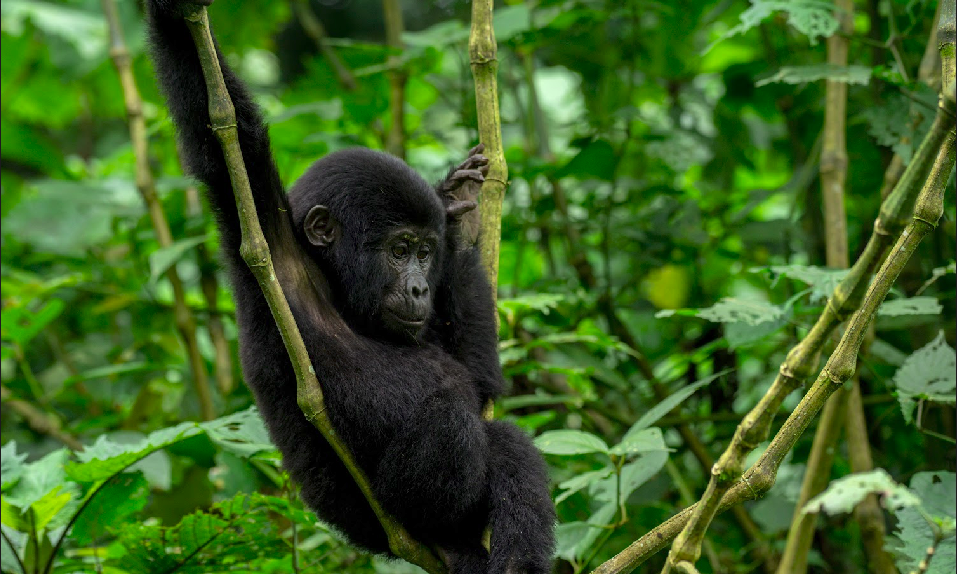
Planning what to pack for a gorilla trekking safari starts with reliable information about timing, routes, park rules and the kind of experience you want. This practical guide from Gorilla Trek Experiences helps you prepare for an East African holiday without assuming that animal sightings, road times or weather can be guaranteed. If you are researching gorilla trekking packing checklist, use these pointers to discuss a realistic plan with your safari organiser.
What to Pack for a Gorilla Trekking Safari: planning essentials
East African safari itineraries work best when you choose a few clear priorities. Decide whether your main interest is gorillas, other primates, savannah wildlife, scenery or cultural visits. Confirm booked activities in writing, compare travel times between overnight stops and keep enough space in your schedule to enjoy the places you visit. Regulations and prices can change, so current official advice should take precedence over older published figures.
Start with reliable footwear
Choose hiking boots or trail shoes with good traction and wear them before departure. Newly purchased footwear can cause blisters on a long forest walk. Socks that manage moisture are useful, and a spare dry pair at the lodge can make the afternoon more comfortable.
Before paying a deposit, ask for the exact date, meeting point and services included. Small differences in timing can have a significant effect on the comfort of your day.
Dress for changing temperatures
Long trousers and a long-sleeved top protect your skin from scratches and insects. Early starts can feel cool, while uphill walking soon makes you warm. Wear layers that are easy to remove. Neutral, comfortable colours work well, and you do not need expensive specialist clothing for a single trek.
Conditions can vary between neighbouring parks and even between mornings in the same location. Keep useful clothing and travel documents accessible rather than packed deep in a suitcase.
Useful questions to ask before you travel
- Which start point applies to my booking?
- What time must I report?
- Which costs are included?
Protect your gear from rain
Bring a light waterproof shell, a compact pack cover or dry bags, and a small towel for lenses. Sudden showers happen even in relatively dry months. Store passports and permits in protected pockets rather than in an easily soaked outside compartment.
Discuss your priorities with your guide. Explain whether you prefer photography, quieter viewing, easier walking or extra time for breaks, while recognising that wildlife and park rules set the final limits.
Choose a practical daypack
A small pack should hold drinking water, a packed lunch if supplied or required, sunscreen, any prescribed medication and your rain layer. Avoid packing unnecessary heavy equipment. Keep essential items easy to reach while leaving both hands free on steep trails.
Written confirmations reduce misunderstandings. Check names, dates and the locations of accommodation and activities carefully, especially when your itinerary crosses borders.
Useful questions to ask before you travel
- How much travel time should I allow?
- What happens during heavy rain?
- Is a guide or porter available?
Photograph without flash
A camera with dependable performance in shade can help with forest scenes. Carry charged batteries and enough memory. Protect equipment from condensation and moisture. Do not use flash around the gorillas, and do not allow photography to distract you from ranger instructions.
Before paying a deposit, ask for the exact date, meeting point and services included. Small differences in timing can have a significant effect on the comfort of your day.
Health and personal essentials
Carry any medication you need, plus personal hygiene items and a compact first-aid kit suited to your needs. Discuss health concerns with a qualified clinician before travelling. Park authorities may restrict visitors who have symptoms of a communicable illness because respiratory infections can threaten gorillas.
Conditions can vary between neighbouring parks and even between mornings in the same location. Keep useful clothing and travel documents accessible rather than packed deep in a suitcase.
Useful questions to ask before you travel
- Are permits already confirmed?
- Which rules apply to visitors?
- What should I carry on the day?
Useful optional items
Light gardening gloves can help you grip vegetation where permitted. Trekking poles may be helpful during the approach but may need to be put away near the gorillas. Ask whether a porter can be arranged and how payment is handled. Small denomination cash can simplify local services.
Discuss your priorities with your guide. Explain whether you prefer photography, quieter viewing, easier walking or extra time for breaks, while recognising that wildlife and park rules set the final limits.
Pack for the return journey
Have comfortable dry footwear and clothing waiting at your accommodation or vehicle. Store muddy trekking items separately from clean clothes. If you travel onward immediately, allow a realistic margin for a shower, lunch and road delays instead of scheduling an excessively tight connection.
Written confirmations reduce misunderstandings. Check names, dates and the locations of accommodation and activities carefully, especially when your itinerary crosses borders.
Practical travel checklist
- Confirm the exact destinations, dates and activities included in your itinerary.
- Check current permit conditions, identification requirements and booking policies.
- Allow a reasonable margin for road journeys, weather and border procedures.
- Carry suitable footwear, layers and protection for cameras and documents.
- Choose licensed guides and respect wildlife viewing instructions.
Explore related safari experiences
For more planning information, explore gorilla trekking and read about Mgahinga Gorilla National Park. These pages can help you narrow your interests before asking for a personalised itinerary.
Final planning advice
Good safari planning is specific. Share your available travel dates, number of travellers, preferred accommodation level and any mobility or dietary needs. Ask for a clear itinerary showing the overnight location and main activity each day. The best trip is one that gives you enough time to appreciate the wildlife and landscapes without creating avoidable travel pressure.