Planning how difficult is gorilla trekking in bwindi starts with reliable information about timing, routes, park rules and the kind of experience you want. This practical guide from Gorilla Trek Experiences helps you prepare for an East African holiday without assuming that animal sightings, road times or weather can be guaranteed. If you are researching Bwindi gorilla trekking difficulty, use these pointers to discuss a realistic plan with your safari organiser.
How Difficult Is Gorilla Trekking in Bwindi: planning essentials
East African safari itineraries work best when you choose a few clear priorities. Decide whether your main interest is gorillas, other primates, savannah wildlife, scenery or cultural visits. Confirm booked activities in writing, compare travel times between overnight stops and keep enough space in your schedule to enjoy the places you visit. Regulations and prices can change, so current official advice should take precedence over older published figures.
Why trekking difficulty varies
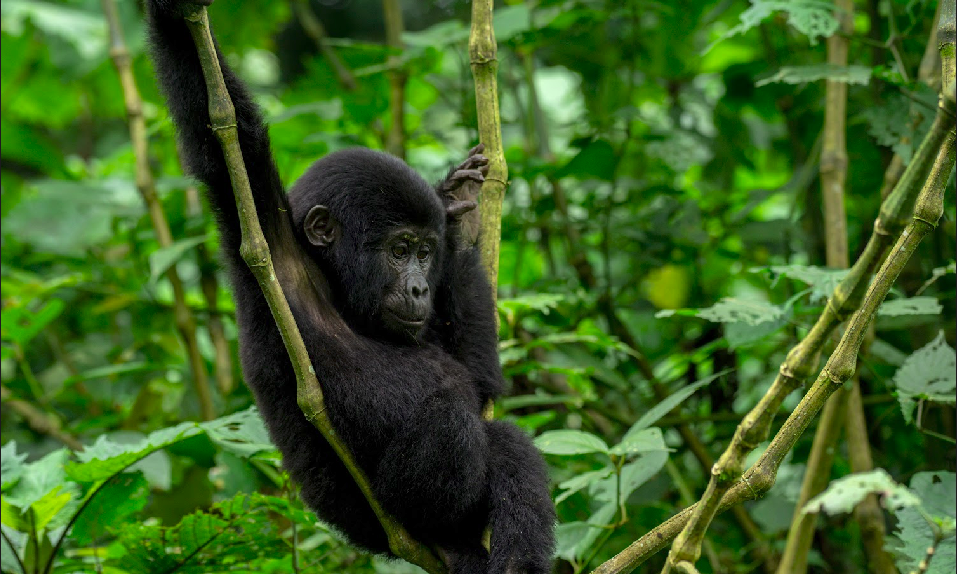
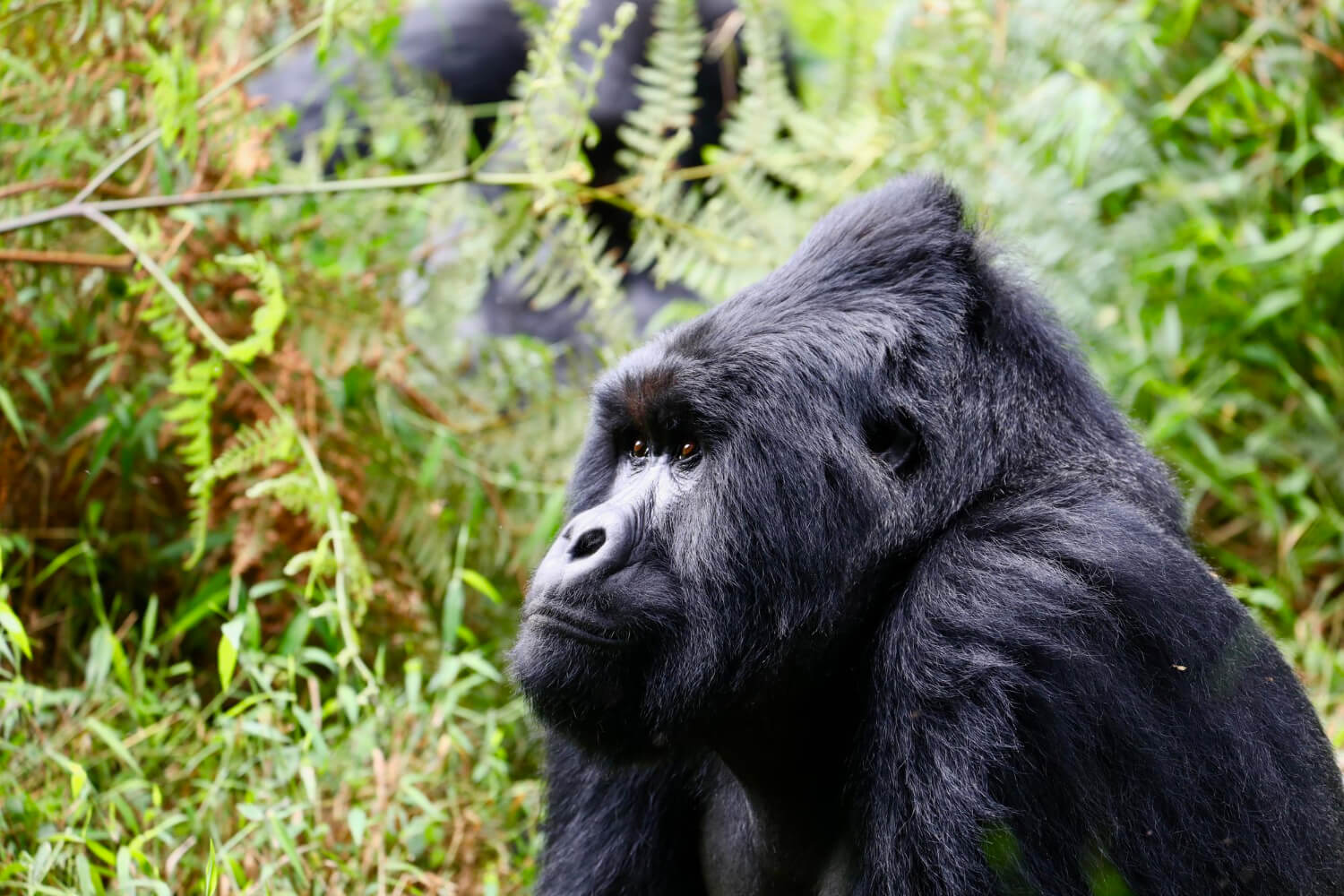
A gorilla family moves through its natural habitat, so the walking distance can change daily. Terrain includes forest paths, roots, uneven ground and sometimes steep sections. The trek is never a fixed-distance hiking route. Visitors should expect uncertainty rather than rely on the shortest experience reported in reviews.
Before paying a deposit, ask for the exact date, meeting point and services included. Small differences in timing can have a significant effect on the comfort of your day.
How the sectors differ
Bwindi’s trekking sectors sit in different parts of the forest and have different access roads. A sector’s reputation for easy or difficult trekking cannot guarantee how your assigned day will unfold. Local rangers can offer practical guidance based on recent conditions, but animals decide where they move.
Conditions can vary between neighbouring parks and even between mornings in the same location. Keep useful clothing and travel documents accessible rather than packed deep in a suitcase.
Useful questions to ask before you travel
- Which start point applies to my booking?
- What time must I report?
- Which costs are included?
Preparing your fitness
Walking regularly before your trip is useful, particularly on hills and uneven surfaces. Practise wearing your chosen hiking shoes and carrying a light pack. You do not need to be an athlete, but a realistic understanding of your stamina helps you prepare for a potentially long morning.
Discuss your priorities with your guide. Explain whether you prefer photography, quieter viewing, easier walking or extra time for breaks, while recognising that wildlife and park rules set the final limits.
Using porters responsibly
Hiring a porter can reduce the load on your back and provide assistance over difficult ground where appropriate. Clarify the service available locally, including fees and tips. A porter cannot remove every physical challenge, so discuss serious mobility restrictions before buying permits.
Written confirmations reduce misunderstandings. Check names, dates and the locations of accommodation and activities carefully, especially when your itinerary crosses borders.
Useful questions to ask before you travel
- How much travel time should I allow?
- What happens during heavy rain?
- Is a guide or porter available?
Altitude and weather
Forest areas can be cool, damp and physically demanding. Heavy rain may make mud and slopes harder to negotiate. Pack layers, water and waterproof protection. Your operator should plan around actual road conditions rather than assuming the dry season prevents all weather delays.
Before paying a deposit, ask for the exact date, meeting point and services included. Small differences in timing can have a significant effect on the comfort of your day.
Briefing and ranger instructions
Rangers explain the day’s conduct, movement and safety rules before the trek. Follow their pace and tell them if you feel unwell or need a break. Do not leave the group to search for a better camera angle. The guides coordinate visitor movement around the gorillas.
Conditions can vary between neighbouring parks and even between mornings in the same location. Keep useful clothing and travel documents accessible rather than packed deep in a suitcase.
Useful questions to ask before you travel
- Are permits already confirmed?
- Which rules apply to visitors?
- What should I carry on the day?
Travelling with older visitors
Age alone does not determine whether somebody can enjoy the trek. Fitness, balance and medical needs are more relevant. Ask the operator about current park arrangements and accessibility options, then make the decision using personal medical advice where necessary.
Discuss your priorities with your guide. Explain whether you prefer photography, quieter viewing, easier walking or extra time for breaks, while recognising that wildlife and park rules set the final limits.
Setting realistic expectations
Plan the day as a full forest excursion, even if the gorillas are found early. Leave room for transport, briefings and the return walk. A flexible attitude and suitable equipment usually make more difference than trying to predict the precise number of kilometres.
Written confirmations reduce misunderstandings. Check names, dates and the locations of accommodation and activities carefully, especially when your itinerary crosses borders.
Practical travel checklist
- Confirm the exact destinations, dates and activities included in your itinerary.
- Check current permit conditions, identification requirements and booking policies.
- Allow a reasonable margin for road journeys, weather and border procedures.
- Carry suitable footwear, layers and protection for cameras and documents.
- Choose licensed guides and respect wildlife viewing instructions.
Explore related safari experiences
For more planning information, explore Bwindi Impenetrable National Park and read about gorilla trekking. These pages can help you narrow your interests before asking for a personalised itinerary.
Final planning advice
Good safari planning is specific. Share your available travel dates, number of travellers, preferred accommodation level and any mobility or dietary needs. Ask for a clear itinerary showing the overnight location and main activity each day. The best trip is one that gives you enough time to appreciate the wildlife and landscapes without creating avoidable travel pressure.