Planning uganda safari costs: what affects your budget starts with reliable information about timing, routes, park rules and the kind of experience you want. This practical guide from Gorilla Trek Experiences helps you prepare for an East African holiday without assuming that animal sightings, road times or weather can be guaranteed. If you are researching Uganda safari budget planning, use these pointers to discuss a realistic plan with your safari organiser.
Uganda Safari Costs: What Affects Your Budget: planning essentials
East African safari itineraries work best when you choose a few clear priorities. Decide whether your main interest is gorillas, other primates, savannah wildlife, scenery or cultural visits. Confirm booked activities in writing, compare travel times between overnight stops and keep enough space in your schedule to enjoy the places you visit. Regulations and prices can change, so current official advice should take precedence over older published figures.
Permits can shape the total
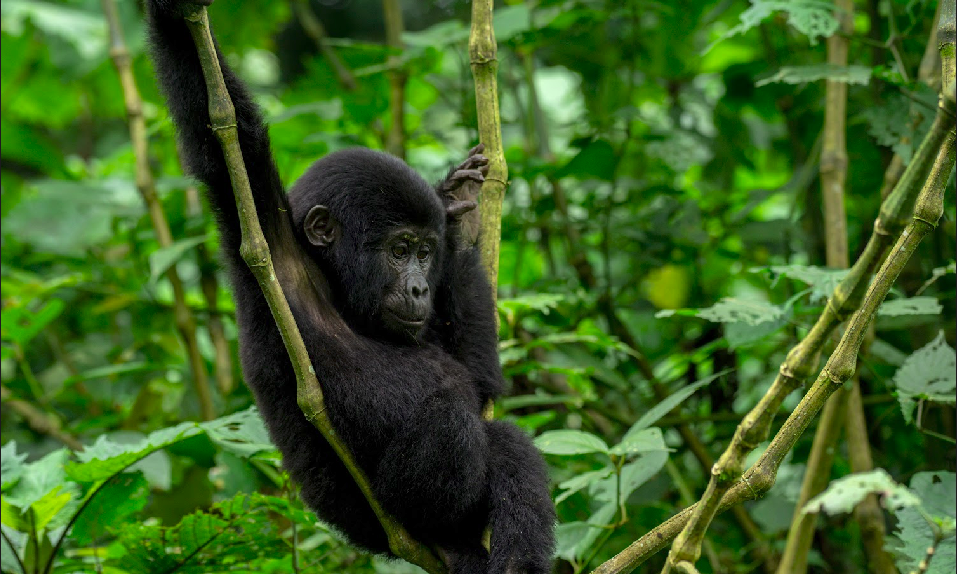
Gorilla and chimpanzee permits are separate expenses that may form a meaningful share of a primate itinerary. Rates, eligibility categories and booking rules may change. Request current written quotes rather than relying on an old advertised package price.
Before paying a deposit, ask for the exact date, meeting point and services included. Small differences in timing can have a significant effect on the comfort of your day.
Transport makes a difference
A private vehicle and driver-guide can offer flexibility but costs differ from a shared tour. Longer distances generally mean more fuel, driver time and overnight logistics. Domestic flights may reduce road time while raising the budget and adding baggage restrictions.
Conditions can vary between neighbouring parks and even between mornings in the same location. Keep useful clothing and travel documents accessible rather than packed deep in a suitcase.
Useful questions to ask before you travel
- Which start point applies to my booking?
- What time must I report?
- Which costs are included?
Accommodation standards vary
The amount you pay depends on location, season, room category and whether meals are included. Staying near a trekking sector can save valuable hours. Compare lodge positions as carefully as facilities, especially where early starts are essential.
Discuss your priorities with your guide. Explain whether you prefer photography, quieter viewing, easier walking or extra time for breaks, while recognising that wildlife and park rules set the final limits.
Seasonality affects availability
Popular travel periods can sell out, particularly for small lodges and regulated trekking permits. Other months may offer broader choice, though rain can complicate some roads. Ask for several date options if flexibility matters more than a specific holiday week.
Written confirmations reduce misunderstandings. Check names, dates and the locations of accommodation and activities carefully, especially when your itinerary crosses borders.
Useful questions to ask before you travel
- How much travel time should I allow?
- What happens during heavy rain?
- Is a guide or porter available?
Group size changes per-person cost
Some vehicle and guide costs are shared across the travelling party. Two people in a private safari may pay more per person than a larger group. Verify the maximum number of passengers per vehicle and make sure everybody has comfortable viewing space.
Before paying a deposit, ask for the exact date, meeting point and services included. Small differences in timing can have a significant effect on the comfort of your day.
Read inclusions carefully
Two tours with similar headlines may cover different services. Compare park entry fees, permits, game drives, boat trips, meals, drinking water, airport transfers and gratuities. Seek clarification about any activity described as optional.
Conditions can vary between neighbouring parks and even between mornings in the same location. Keep useful clothing and travel documents accessible rather than packed deep in a suitcase.
Useful questions to ask before you travel
- Are permits already confirmed?
- Which rules apply to visitors?
- What should I carry on the day?
Allow room for personal expenses
Tips, souvenirs, extra drinks, laundry, visa fees where applicable and travel insurance can add up. Currency conversion and card charges may also affect the final amount. Keep a small contingency for unplanned changes rather than spending the full budget on the base itinerary.
Discuss your priorities with your guide. Explain whether you prefer photography, quieter viewing, easier walking or extra time for breaks, while recognising that wildlife and park rules set the final limits.
Ask for a transparent quotation
A useful quote identifies dates, accommodation names, vehicle type, activities and payment terms. Confirm whether quoted costs are per person or for the group. Use that detail to compare proposals on equal terms.
Written confirmations reduce misunderstandings. Check names, dates and the locations of accommodation and activities carefully, especially when your itinerary crosses borders.
Practical travel checklist
- Confirm the exact destinations, dates and activities included in your itinerary.
- Check current permit conditions, identification requirements and booking policies.
- Allow a reasonable margin for road journeys, weather and border procedures.
- Carry suitable footwear, layers and protection for cameras and documents.
- Choose licensed guides and respect wildlife viewing instructions.
Explore related safari experiences
For more planning information, explore Queen Elizabeth National Park and read about Bwindi Impenetrable National Park. These pages can help you narrow your interests before asking for a personalised itinerary.
Final planning advice
Good safari planning is specific. Share your available travel dates, number of travellers, preferred accommodation level and any mobility or dietary needs. Ask for a clear itinerary showing the overnight location and main activity each day. The best trip is one that gives you enough time to appreciate the wildlife and landscapes without creating avoidable travel pressure.